

Chemical peels: everything you need to know before starting a course of treatment
Today, chemical peels are one of the most popular aesthetic treatments for improving skin quality without surgery. In Brussels, more and more patients are looking for an effective solution to pigment spots, dilated pores, imperfections or the first signs of aging.
But how does a peel really work? Is it right for your skin? Do you need a course of treatment? What results can you expect?
At Novaskin Clinicwe offer Novaskin Peel Signature™a professional protocol combining SkinClinic medical peel and 12 minutes of Lucibelle LED photobiomodulation to optimize skin regeneration.
Here’s everything you need to know before getting started.
What is a chemical peel?
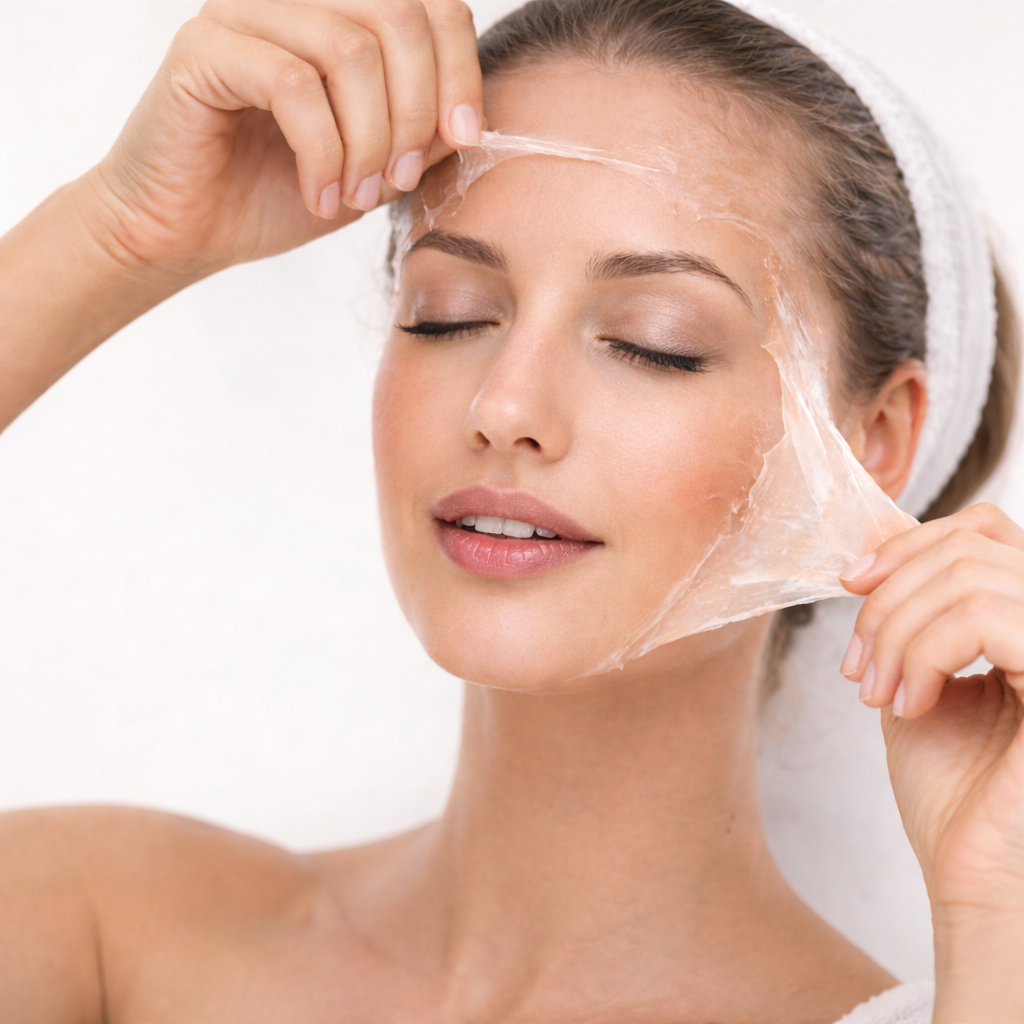
A chemical peel involves applying an acid-based solution (AHA or BHA) to the skin to bring about controlled exfoliation.
This exfoliation stimulates :
- cell renewal
- collagen production
- improved complexion
- progressive correction of irregularities
Unlike a simple exfoliation, a peel acts more deeply, providing a visible, gradual improvement in skin texture.
Why have a peel?
A peel is particularly indicated if you have :
- a dull complexion
- pigment spots
- dilated pores
- persistent imperfections
- superficial acne marks
- fine lines
- oily or uneven skin
Peeling is one of the most effective treatments for revitalizing the skin and improving its homogeneity.
What types of peel are there?
At Novaskin Clinic, we use two complementary peelings:
Global Anti-Aging Peel
Ideal for :
- complexion radiance
- pigment irregularities
- first wrinkles
- loss of brightness
50% glycolic peel
Recommended for :
- dilated pores
- thick hide
- imperfections
- superficial acne scars
- more pronounced spots
The choice is made at the time of diagnosis.
Why have a peeling cure?
A peel works gradually.
A single session gives a “glow” effect, but a course of treatment provides a real transformation.
The skin cell cycle lasts approximately 21 to 28 days. That’s why sessions are spaced about 3 weeks apart.
A cure of 3 to 6 sessions allows :
- sustainably improve texture
- progressively reduce blemishes
- reduce pores
- smooth out irregularities
Why use LED after a peel?
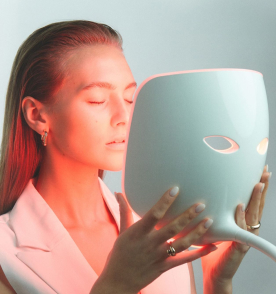
As part of the Novaskin Peel Signature™treatment, each session includes 12 minutes of Lucibelle LED photobiomodulation.
Red light 635 nm :
- stimulates collagen production
- accelerates regeneration
- reduces redness
- improves treatment tolerance
This combination of exfoliation and regeneration produces more even, more comfortable results.
How does a session work?
- Skin diagnosis
- Cleaning and preparation
- Peeling application
- Neutralization
- Soothing mask
- 12 minutes of LED Lucibelle
- Application of SPF
The session lasts about 45 minutes.
Does the skin peel?
This depends on the type of skin and the peel used.
Slight desquamation may appear 2 to 4 days after the treatment, especially with glycolic 50%.
In most cases, recovery is rapid and compatible with a normal social life.
When do we see the results?
After 1 session :
- more radiant skin
- fresher complexion
After 3 sessions :
- tighter pores
- reduced spots
- improved texture
After 6 sessions :
- visible transformation in skin quality
- greater uniformity
- smoother, denser skin
Is peeling dangerous?
Performed by a trained professional, peeling is a safe treatment.
Possible side effects include :
- temporary redness
- drought
- slight desquamation
Compliance with post-treatment instructions is essential, particularly the application of sun protection.
In a nutshell
Chemical peels are an effective solution for improving skin quality without injections or surgery.
For long-lasting results, a personalized treatment is recommended.
At Novaskin Clinic in Brusselswe combine aesthetic expertise, professional SkinClinic peels and Lucibelle LED photobiomodulation to offer a complete, safe protocol.
Would you like to know if a peel is right for your skin?
Make an appointment for a personalized diagnosis.
Your skin deserves a tailor-made strategy.